

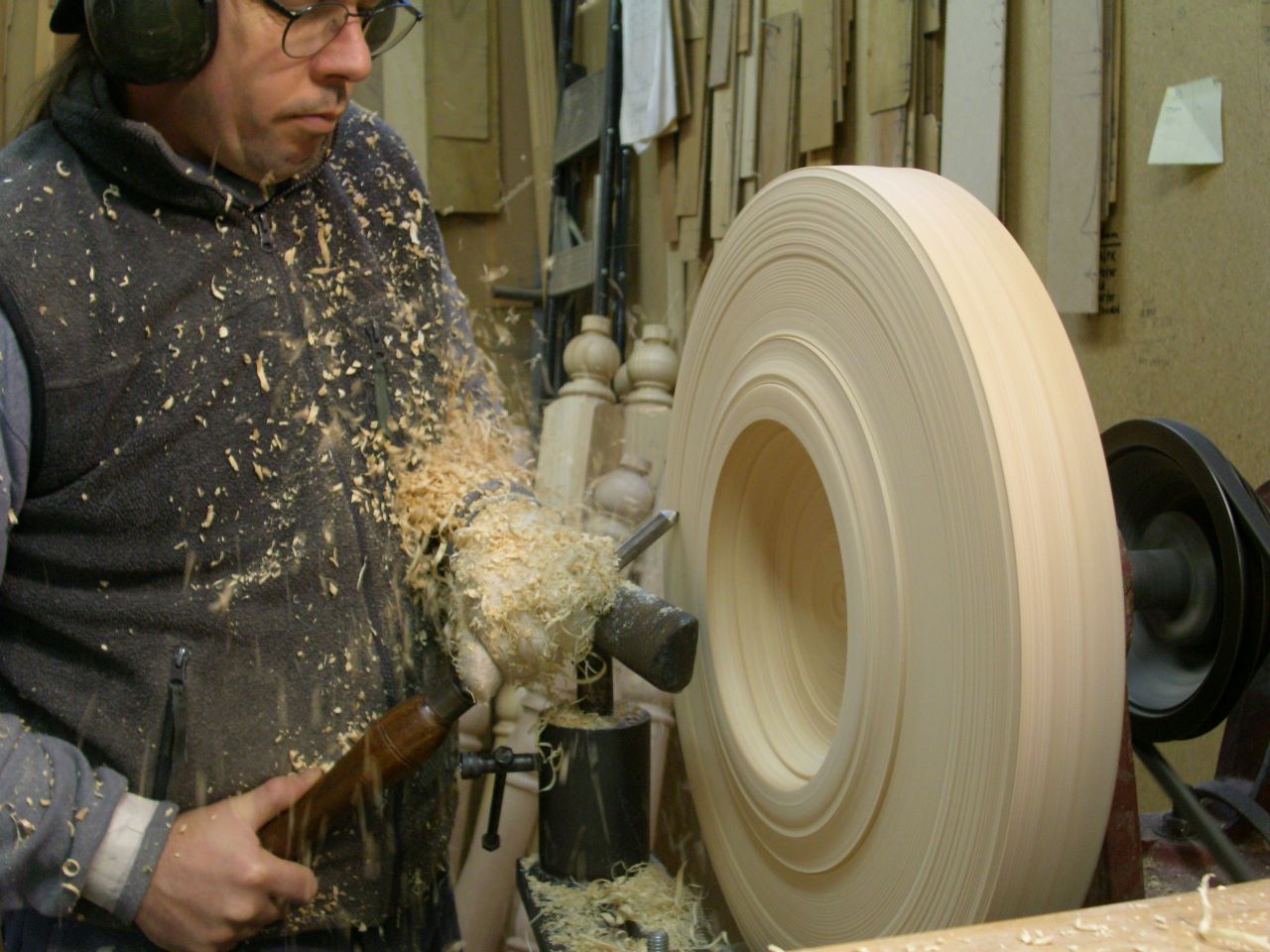
In a world full of identical items, choosing handturned wooden items offers a distinct charm and lasting value. You might be wondering if the extra cost is really worth it compared to mass-produced goods. Well, let’s explore why these unique pieces are more than just functional objects; they’re investments in quality, artistry, and your home’s character.
Key Takeaways Handturned wooden items boast timeless designs and unique character, fitting seamlessly into any décor style, and are increasingly sought after for their artisanal quality.
- The superior craftsmanship of handturned items comes from skilled artisans dedicating significant time and using traditional techniques, resulting in meticulous attention to detail in every piece.
- Investing in handturned wooden items means choosing longevity, as they are typically made from strong hardwoods, resist wear and tear better, and can become cherished heirlooms.
- Personalisation is a key advantage, allowing for items tailored to specific needs and tastes, each carrying a unique story and expressing individual style.
- Choosing handturned wooden items supports ethical practices, from responsible material sourcing and reduced environmental impact to bolstering local economies and preserving traditional trades.
The Enduring Appeal Of Handturned Wooden Items
Timeless Aesthetic and Design
There’s a certain warmth and character that only wood can bring into a space. Handturned wooden items possess a timeless aesthetic, a quality that transcends fleeting trends. Think about the smooth, flowing lines of a turned bowl or the sturdy, honest form of a wooden stool. These aren’t just objects; they’re pieces of art shaped by skilled hands. Unlike mass-produced items that often feel sterile, handmade wood carries the subtle imperfections and unique grain patterns that tell a story. This inherent individuality is what makes each piece so captivating. Whether your home leans towards minimalist chic, rustic charm, or something in between, the natural beauty of wood adapts effortlessly. It brings an organic touch that can soften modern lines or complement traditional settings, making it a truly versatile choice for any decor.
Aesthetic Versatility For Any Decor
One of the most remarkable aspects of handturned wooden pieces is their chameleon-like ability to fit into virtually any interior design scheme. You might think wood is only for country kitchens or traditional lounges, but that’s far from the truth. A sleek, dark walnut bowl can be a striking centrepiece on a contemporary glass coffee table. A light, ash wood lamp base can add a touch of natural elegance to a Scandinavian-inspired bedroom. Even in industrial settings, a solid oak turned stool can provide a welcome contrast to metal and concrete. The natural variations in wood colour and grain mean that no two pieces are ever exactly alike, offering a unique element that mass-produced items simply cannot match. It’s this adaptability that makes investing in a handturned piece a decision that will serve your home well for years to come, regardless of how your style evolves.
The Growing Demand For Artisanal Quality
We’re seeing a significant shift in how people approach their purchases. There’s a growing appreciation for things made with care, skill, and a personal touch. Consumers are increasingly looking beyond the disposable and seeking out items with longevity and a story. This is where handturned wooden items truly shine. They represent a move away from the impersonal nature of factory production towards a more mindful way of consuming. People are actively seeking out artisans, supporting small businesses, and valuing the time and dedication that goes into creating something unique. This isn’t just a trend; it’s a conscious choice to invest in quality, character, and pieces that hold a deeper meaning. The demand for artisanal quality is a testament to the enduring appeal of craftsmanship.
Uncompromising Craftsmanship In Every Piece
When you hold a handturned wooden item, you’re not just holding an object; you’re holding a piece of someone’s dedication. As a woodworker, I can tell you that the difference between something churned out by a machine and something shaped by human hands is profound. It’s in the subtle curves, the perfect balance, and the way the grain flows – details that machines simply can’t replicate.
Meticulous Attention To Detail
Mass production prioritises speed and uniformity. Handturning, on the other hand, is all about the details. Each piece is examined, refined, and polished with a level of care that’s hard to find elsewhere. We spend hours ensuring every surface is smooth, every edge is just right, and the overall form is pleasing to the eye and the touch. This isn’t just about making something look good; it’s about making it feel right, too.
Skilled Artisans And Time Investment
Creating a handturned piece takes time. It requires skill honed over years, sometimes decades, of practice. We use traditional tools – chisels, gouges, scrapers – that allow us to feel the wood and respond to its unique character. This isn’t a quick process; it’s a deliberate one. A single bowl might take several sessions to complete, each one focused on bringing out the best in the timber.
Here’s a general idea of the time involved for some common items:
- Small Bowl: 4-8 hours
- Vase: 6-12 hours
- Salad Servers: 3-6 hours per pair
- Table Leg: 2-5 hours per leg
Traditional Tools And Techniques
We rely on time-tested methods. Think of hand-cut joinery, hand-rubbed finishes, and the careful selection of wood. These aren’t just old-fashioned ways of doing things; they are methods that have proven their worth over generations. They allow us to create items that are not only beautiful but also incredibly strong and built to last. The integrity of the piece comes from the skill of the hand and the quality of the technique.
The process of handturning is a conversation between the artisan and the wood. It’s about listening to what the material wants to become and guiding it with skill and intention. This intimate connection is what imbues each piece with its unique soul.
Investing In Longevity And Superior Quality
When you choose a hand-turned wooden item, you’re not just buying an object; you’re investing in something built to last. As a woodworker, I see the difference every day between something made with care and something churned out quickly. The materials and the way they’re put together make all the difference.
The Strength Of Premium Hardwoods
Mass-produced items often use cheaper, less durable woods or even composite materials. We, on the other hand, select premium hardwoods. Think of timbers like Tasmanian Oak, Blackwood, or even imported Walnut and Maple. These aren’t just pretty; they’re dense, strong, and have a natural resistance to damage. This means your piece won’t easily dent, scratch, or warp over time. It’s about starting with the best foundation possible.
Resistance To Wear And Tear
Hand-turned pieces are built with a focus on durability. The joinery is often more robust, the finishes are applied with multiple layers for protection, and the wood itself is chosen for its resilience. This isn’t furniture that will fall apart after a few years of use. It’s designed to withstand the rigours of daily life, whether it’s a bowl on your dining table or a lamp base on your bedside. You’ll find that these items hold up far better than their mass-produced counterparts.
A Legacy To Be Passed Down
Because of the superior materials and the meticulous craftsmanship, hand-turned wooden items have the potential to become heirlooms. They are built with a quality that allows them to endure for generations. Imagine passing down a beautifully crafted wooden bowl or a unique lamp to your children or grandchildren. It’s more than just an item; it’s a piece of history, a tangible connection to the past, and a testament to enduring quality. This is the kind of value that mass-produced goods simply cannot replicate.
The Value Of Personalisation And Uniqueness
In a world awash with identical items, there’s a profound satisfaction in owning something that speaks directly to you. Handturned wooden pieces offer precisely that – a chance to own an item that isn’t just functional, but a true reflection of your individual taste and needs. Unlike mass-produced goods churned out by the thousands, each handturned item carries the imprint of the artisan’s hand and the unique character of the wood itself.
Tailored To Your Specific Needs
One of the most compelling aspects of choosing a handturned wooden item is the ability to have it made precisely to your specifications. Perhaps you need a bowl of a very particular size to fit a specific shelf, or a set of candle holders that perfectly complement your existing decor. With mass-produced items, you’re often forced to compromise, choosing the closest fit from a limited range of standard sizes and designs. Handturning allows for that perfect fit, ensuring the piece functions exactly as you intend and integrates seamlessly into your home.
Consider these common scenarios:
- Unusual Spaces: Need a small side table for a tight nook? A handturner can craft it to the exact dimensions required.
- Specific Functionality: Require a lidded box with a particular internal division? This can be designed and executed.
- Ergonomic Needs: Want a utensil handle shaped for a specific grip? It’s entirely possible.
This level of customisation means you’re not just buying an object; you’re commissioning a solution that’s been thoughtfully designed with your life in mind.
A Story Behind Each Creation
Every piece of wood has a history, and when an artisan turns it on the lathe, they’re not just shaping timber; they’re revealing its inherent beauty and adding their own narrative. The subtle variations in grain, the unique colouration, the way the light catches a particular curve – these are all elements that tell a story. When you purchase a handturned item, you’re acquiring more than just a beautiful object; you’re gaining a piece with a past, crafted with skill and intention.
The journey from raw timber to a finished piece is one of patience and respect for the material. It’s about understanding the wood’s character and coaxing out its finest qualities, a process that imbues the final creation with a soul that factory-made items simply cannot replicate.
Expressing Your Individual Style
Your home is your sanctuary, and the items within it should reflect who you are. Handturned wooden pieces offer an unparalleled opportunity to inject personality and character into your living spaces. Whether your aesthetic leans towards the rustic, the minimalist, the modern, or the traditional, a skilled woodturner can create a piece that aligns perfectly with your vision. This isn’t about following fleeting trends; it’s about curating a collection of items that genuinely speak to you and create an environment that feels uniquely yours. Choosing handturned is choosing to surround yourself with objects that have meaning and character.
Sustainability And Ethical Considerations
When you choose a hand-turned wooden item, you’re often making a choice that’s better for the planet and the people who make it. As a woodworker, I see firsthand the difference in how things are made. Mass production, well, it often cuts corners to keep costs down. This can mean using materials that aren’t great for the environment, or processes that create a lot of waste. Think about particle board versus solid timber – one is built to last, the other often isn’t.
Responsible Material Sourcing
We woodworkers have a responsibility to use materials wisely. This means looking for timber that’s been harvested responsibly. Sometimes, this is wood certified by groups like the Forest Stewardship Council (FSC), which means it comes from forests managed in a way that protects wildlife and respects local communities. Other times, it’s about using reclaimed wood – timber that’s been salvaged from old buildings or structures. This not only gives the wood a new life but also means we’re not cutting down new trees unnecessarily. Every piece of timber tells a story, and choosing responsibly means that story is a good one. It’s about respecting the natural resources we use.
Minimising Environmental Impact
Hand-turning, by its nature, is a slower process. This often means less energy is used compared to large factory machinery. We also tend to use finishes that are more environmentally friendly, like natural oils or waxes, rather than harsh chemical varnishes. Waste is another big consideration. In my workshop, I try to use every scrap of wood. Smaller offcuts might become decorative elements, or be used for smaller items. It’s a mindset of making the most of what you have. When you compare this to the industrial scale of mass production, where waste can be significant, the difference is clear.
Supporting Local Economies And Trades
When you buy a hand-turned item, you’re often supporting a local artisan. This means your money is staying within your community, supporting a skilled trade and a small business. It’s a direct connection to the maker, unlike buying from a large, faceless corporation. This supports livelihoods and helps keep traditional woodworking skills alive. It’s about valuing the human element in the creation process, not just the finished product. It’s a more personal and, I believe, a more rewarding way to furnish your home.
Understanding The True Cost: Value Over Price
When you’re looking at a hand-turned wooden item, it’s easy to see the price tag and compare it directly to something churned out by a machine. But as someone who works with wood every day, I can tell you that’s not the whole story. We need to look beyond the initial cost and consider the real value you’re getting.
Long-Term Value Assessment
Think about it like this: a mass-produced item might be cheaper today, but how long will it actually last? Often, these pieces are made with cheaper materials and less care. They might look okay for a little while, but they tend to wear out, break, or just fall out of fashion much faster. A hand-turned piece, on the other hand, is built with quality timber and a lot of skill. It’s designed to last for years, even decades. This means you won’t be replacing it every few years, saving you money and hassle in the long run. It’s an investment in something that will serve you well for a very long time.
The Risks Of Inferior Alternatives
Buying the cheapest option often comes with hidden costs. You might end up with something that warps, splits, or just doesn’t function properly after a short period. This isn’t just frustrating; it means you’re back to square one, needing to buy a replacement. Sometimes, these cheaper items are also made with materials that aren’t great for the environment, or they might not be as safe to have in your home. You’re essentially paying for something that won’t stand the test of time and might even cause problems down the track.
A Meaningful Investment In Your Home
Choosing a hand-turned wooden item is more than just a purchase; it’s about bringing something special into your home. Each piece has a story, a connection to the maker, and a unique character that mass-produced items just can’t replicate. It’s about appreciating the craftsmanship and the natural beauty of the wood. When you invest in a quality, handmade item, you’re not just buying an object; you’re acquiring a piece of art that adds warmth, character, and lasting value to your living space. It’s something you can be proud of and enjoy for many years to come.
A Lasting Investment in Your Home
When you’re looking to furnish your home, it’s easy to get caught up in the speed and convenience of mass-produced items. But when you take a moment to consider what truly lasts, what tells a story, and what brings genuine character into your living space, the choice becomes clearer. Hand-turned wooden items aren’t just objects; they’re investments. They represent a commitment to quality, a respect for tradition, and a unique touch that factory-made goods simply can’t replicate. By choosing handcrafted, you’re not only acquiring something beautiful and durable, but you’re also supporting skilled artisans and making a more sustainable choice for the future. Think of these pieces as future heirlooms, carrying memories and beauty for generations to come. It’s an investment that truly pays off, enriching your home and your life in ways you’ll appreciate every single day.